
The Duffer Brothers’ newest Netflix project has stumbled where their worldwide sensation Stranger Things thrived, critics say who have viewed the new horror series Something Very Bad is Going to Happen. Whilst the brothers are merely serving as executive producers on this eight-episode show—created by Haley Z. Boston—rather than directing it directly, the series commits a fundamental storytelling error that their blockbuster sci-fi drama avoided. The problem doesn’t stem from the premise, which follows Rachel and Nicky as a couple as they travel to his dysfunctional family for a woodland wedding beset by sinister omens, but rather in its pacing and narrative structure, which threatens to lose viewers before the story gains momentum.
A Slow Burn That Requires Patience
The opening episode of Something Very Bad is Going to Happen presents a truly disturbing premise. Camila Morrone’s Rachel comes to her fiancé’s family residence with mounting dread, reinforced by a series of escalating omens: enigmatic alerts scrawled on her wedding invitation, a unexplained child met on the road, and an encounter with a threatening figure in a neighbourhood pub. The pilot succeeds in establishing dramatic tension, layering in the recognisable dread that accompanies a significant milestone. Yet this early premise transforms into the series’ fundamental weakness, as the plot stagnates markedly in the subsequent instalments.
Episodes two and three keep covering the same narrative ground, with Nicky’s eccentric family behaving increasingly erratically whilst various supernatural hints indicate Rachel’s visions hold merit. The problem emerges gradually but grows impossible to ignore: watching the protagonist endure three hours of gaslighting, bullying, and emotional manipulation from her prospective relatives by marriage becomes tedious with surprising speed. By the time Episode 4 at last shifts to reveal the curse’s backstory and inject genuine momentum into the proceedings, a significant portion of the audience will probably have given up, exasperated with the drawn-out exposition that was missing adequate resolution or character development to justify its length.
- Leisurely narrative speed undermines the scary ambience established in the pilot
- Recurring domestic conflict scenes miss narrative progression or depth
- Wait of three episodes before the real storyline reveals itself is excessive
- Audience engagement declines when tension lacks balance with substantive plot progression
How The Show Got the Recipe Right
The Duffer Brothers’ breakthrough series displayed a brilliant example in episode structure by hooking viewers immediately with real consequences and narrative drive. Stranger Things Season 1 Episode 1 set up its central concept with impressive economy: a teenage boy vanishes under mysterious circumstances, his anxious mother and friends begin investigating, and otherworldly occurrences emerge organically from the story rather than feeling artificially inserted. The episode balanced mounting tension with character depth and narrative advancement, ensuring that viewers remained invested because they truly wished to discover what would unfold. Every scene served multiple purposes, advancing the mystery whilst deepening our connection to the ensemble cast.
What set apart Stranger Things from Something Very Bad is Going to Happen was its resistance to deferring gratification unnecessarily. Rather than extending one concept across three episodes, the original series propelled viewers forward with revelations, character moments, and narrative turns that warranted sustained engagement. The supernatural threat felt pressing and concrete rather than theoretical, and the show had confidence in viewer understanding enough to reveal information at a rhythm that preserved attention. This fundamental difference in narrative approach explains why Stranger Things became a global phenomenon whilst its thematic follow-up struggles to maintain engagement during its crucial opening chapters.
The Power of Prompt Interaction
Effective horror and drama require creating clear reasons for audiences to care during the opening episode. Stranger Things accomplished this by presenting relatable characters facing an extraordinary situation, then providing sufficient information to make viewers hungry for answers. The disappeared child wasn’t merely a narrative tool; he was a fully developed character whose disappearance genuinely mattered to those searching for him. This emotional connection proved considerably more effective than any amount of atmospheric tension or ominous foreshadowing could accomplish alone.
Something Very Bad is Going to Happen presumes that marital stress and familial conflict alone will hold attention for three full hours before providing substantive plot developments. This misjudgement fails to account for how quickly audiences recognise recycled narrative structures and tire of seeing leads experience distress without genuine advancement. The Duffer Brothers grasped that pacing isn’t merely about timing; it’s about respecting viewer investment and compensating for audience focus with authentic story progression.
The Pitfall of Stretching a Story Beyond Its Limits
The eight-episode structure of Something Very Bad is Going to Happen introduces a core challenge that the Duffer Brothers’ previous work was able to overcome with considerably more finesse. By devoting three successive episodes to establishing family dysfunction and wedding jitters without significant story development, the series perpetrates a grave error of present-day broadcasting: it conflates atmosphere for depth. Viewers are compelled to endure Rachel experience relentless gaslighting and control whilst anticipating the plot to actually begin, a wearisome experience that strains even the most tolerant audience viewer’s tolerance for repetitive storytelling beats.
Stranger Things never fell into this trap because it understood that horror and drama flourish with momentum. Each episode delivered original content, surprising developments, and character revelations that supported continued investment. The supernatural elements weren’t held hostage until Episode 4; they were integrated into the narrative framework from the very beginning. This approach changed what could have been a simple missing-person story into a sprawling mystery that captivated millions. The contrast between these two approaches illustrates how format can either enhance the story or undermine it completely.
| Series | Pacing Strategy |
|---|---|
| Stranger Things (Season 1) | Reveals supernatural threat immediately; introduces mystery elements whilst advancing plot |
| Something Very Bad is Going to Happen | Delays major plot developments until Episode 4; focuses on repetitive family tension |
| Stranger Things (Season 1) | Balances character development with narrative progression across episodes |
| Something Very Bad is Going to Happen | Prioritises atmospheric dread over substantive storytelling advancement |
When Format Becomes the Problem
The eight-episode structure, once a TV convention, increasingly feels incompatible with contemporary viewing habits and what audiences expect. Something Very Bad is Going to Happen appears to have been extended to accommodate its format rather than developed organically around it. The result is excessive narrative padding where strong ideas turn repetitive and engaging premises turn tedious. What might have worked as a taut four-episode limited series instead turns into an demanding viewing experience, with viewers obliged to slog through repetitive sequences of domestic discord before arriving at the actual story.
Stranger Things succeeded partly because its creators understood that pacing goes beyond mere timing—it reflects respect for the viewers’ intelligence and attention. The show had confidence in viewers to handle complexity and mystery without requiring repeated reassurance through recycled story elements. Something Very Bad is Going to Happen, by contrast, seems to misjudge its audience’s patience, assuming that three hours of gaslighting and ominous warnings constitute adequate entertainment value. This strategic error represents a critical lesson in how format must serve content, never the reverse.
Strengths and Unrealised Potential
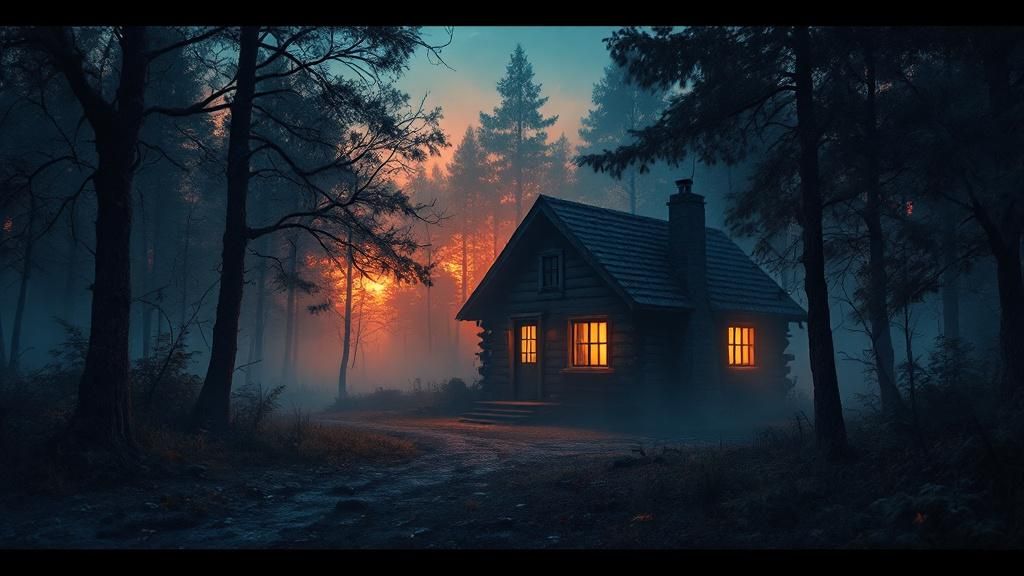
Despite its narrative stumbles, Something Very Bad is Going to Happen does demonstrate genuine qualities that keep it from being entirely dismissible. The visual presentation is truly disturbing, with the isolated cabin serving as an effectively claustrophobic setting that amplifies the escalating unease. Camila Morrone gives a nuanced performance as Rachel, conveying the quiet desperation of a woman steadily estranged by those closest to her. The ensemble actors, particularly as portrayers of Nicky’s delightfully unhinged family members, delivers darkly comic vitality to scenes that might otherwise appear overwrought. These elements suggest the Duffers identified promising material when they signed on as producers.
The fundamental shortcoming is that Something Very Bad is Going to Happen possessed all the elements for something genuinely special. The concept—a bride discovering her groom’s family harbours dark mysteries—presents fertile ground for exploring themes of trust, belonging, and the terror hidden beneath everyday suburban life. Had the creative team believed in their viewers from the start, exposing the curse’s beginnings by Episode 2 instead of Episode 4, the series might have combine character development with authentic narrative momentum. Instead, it squanders considerable goodwill by focusing on recycled suspense over meaningful narrative, rendering viewers frustrated by squandered opportunity.
- Striking aesthetic presentation and evocative visual atmosphere across the cabin setting
- Camila Morrone’s compelling performance anchors the story effectively
- Intriguing premise undermined by slow narrative momentum and delayed plot revelations
